How Licensing Standards Shape Progressive Feature Designs in Digital Slot Experiences
Sofia Flores · Sep 25, 2026
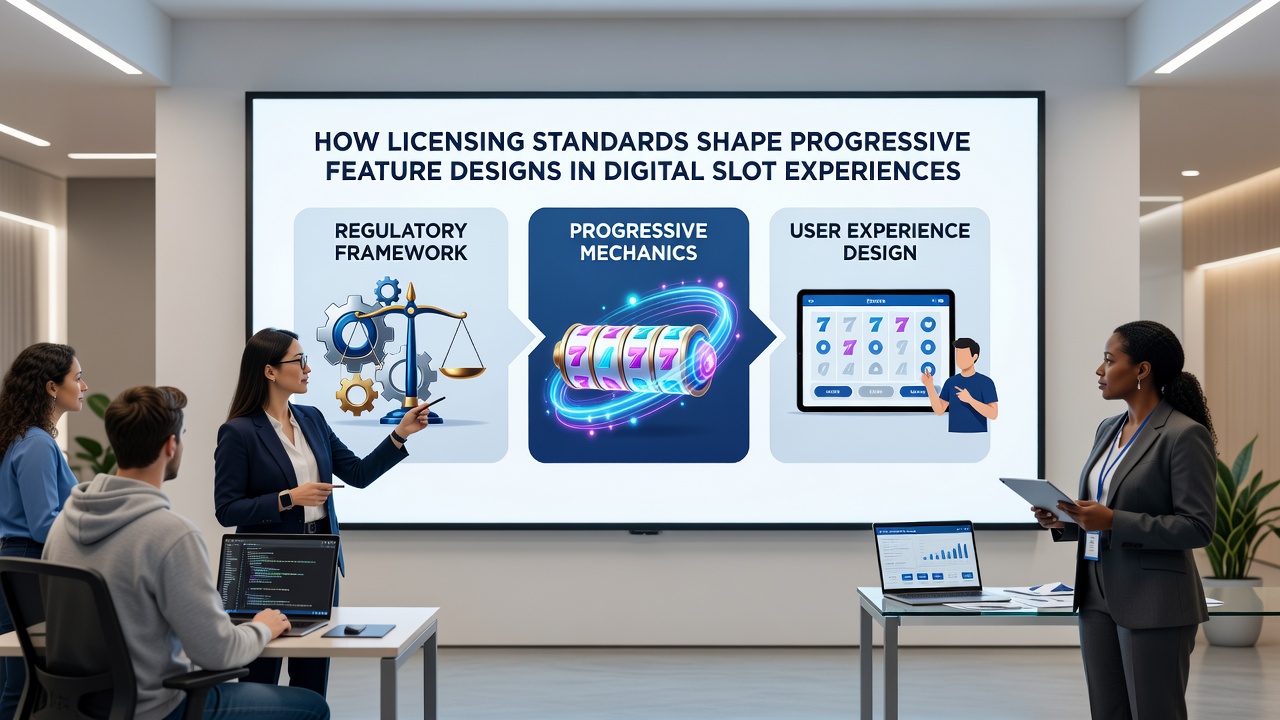
How Licensing Standards Shape Progressive Feature Designs in Digital Slot Experiences
Regulatory frameworks from licensing authorities across multiple jurisdictions directly influence the architecture of progressive jackpot systems in digital slot games, and developers must align feature mechanics with these requirements to secure operational approvals. Licensing bodies establish technical standards for random number generators, payout verification protocols, and jackpot contribution rates that determine how progressive pools accumulate and trigger across networked machines. These standards emerged from efforts to maintain game integrity while accommodating expanding online platforms that connect players from different regions.
Core Regulatory Mechanisms Governing Progressive Systems
Authorities such as the Malta Gaming Authority and the New Jersey Division of Gaming Enforcement mandate specific certification processes for progressive software, and these processes require independent testing laboratories to validate seed values, increment rates, and overflow handling procedures before any game receives deployment clearance. Standards often specify minimum reserve amounts for jackpots along with maximum contribution percentages from each wager, which constrains how quickly features can escalate prize values during peak play periods. Data from regulatory filings shows that approved progressive configurations typically limit single-game contributions to between one and three percent of total bets to prevent excessive house edge adjustments.
Operators must also submit real-time reporting interfaces that allow regulators to monitor pool balances and detect anomalies, and this requirement shapes backend architecture because developers integrate dedicated APIs that transmit encrypted transaction logs at fixed intervals. In September 2026 several jurisdictions plan to introduce enhanced data reconciliation rules that will further standardize how progressive resets occur after major wins, and these upcoming changes already prompt studios to redesign trigger algorithms for smoother compliance transitions.
Technical Adaptations in Feature Design
Progressive features now incorporate modular jackpot tiers because licensing rules frequently demand multiple prize levels rather than single massive payouts, and this structure reduces volatility while satisfying fairness audits that examine return-to-player percentages across all tiers. Engineers build separate contribution streams for local, wide-area, and mystery progressives, each governed by distinct percentage allocations that licensing documentation must explicitly approve. Observers note that such tiered designs emerged after early wide-area networks encountered approval delays when single-pool models failed to meet segmented risk assessments.
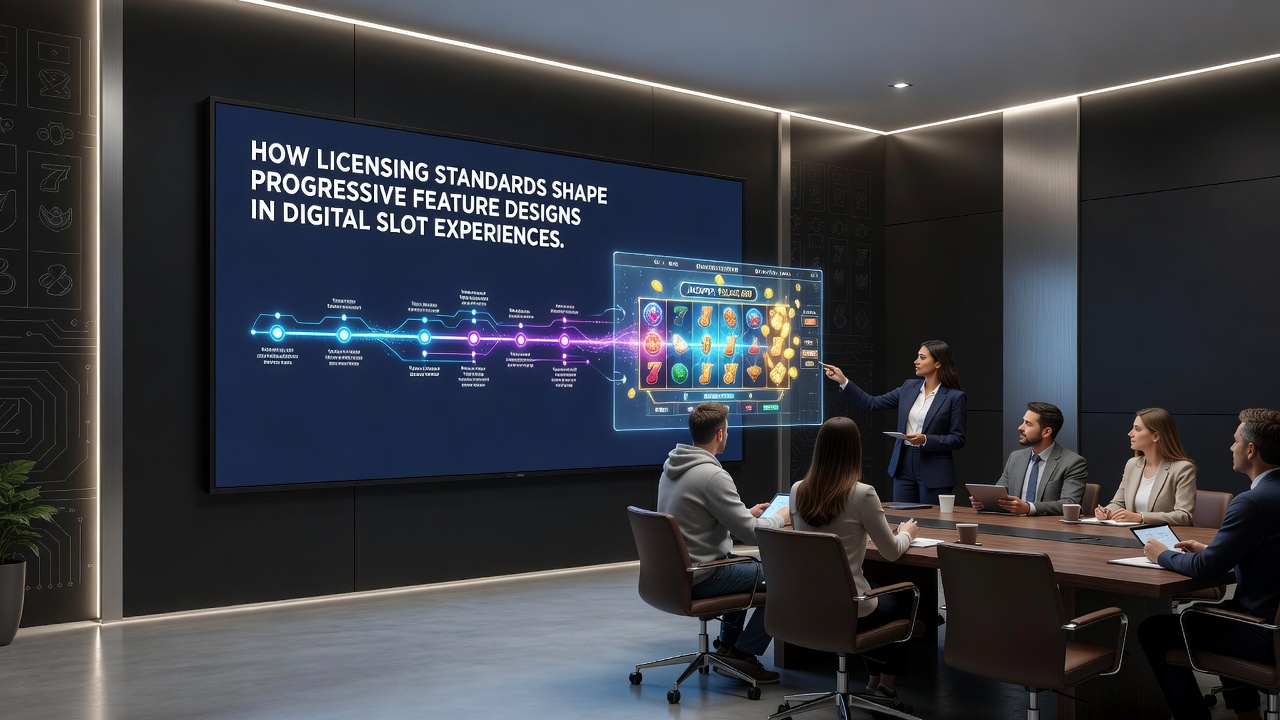
Encryption protocols required for cross-border pool linking add another layer of complexity, and developers embed hardware security modules that satisfy both regional data protection laws and gaming-specific integrity checks. Research from the University of Nevada's gaming laboratory indicates that these security integrations increase processing overhead by approximately twelve percent yet enable broader market access because multi-jurisdictional licenses become attainable once systems demonstrate verifiable audit trails.
Regional Variations and Their Design Implications
European licensing regimes emphasize consumer protection through strict jackpot visibility rules that force on-screen meters to update in real time without promotional exaggeration, whereas North American standards often prioritize network scalability and permit larger pool aggregations across state lines under compact agreements. Australian regulatory frameworks administered by state gaming commissions impose contribution caps tied to average bet sizes, which encourages designers to create hybrid progressives that blend fixed and variable elements within single titles. These geographic differences lead studios to maintain parallel code branches that activate or deactivate specific mechanics based on the target license.
One documented case involved a major provider that reconfigured its linked progressive engine after Canadian provincial regulators required separate pool tracking for each participating province, and the resulting architecture now serves as a template for other developers seeking similar multi-region approvals. Industry reports from the European Gaming and Betting Association highlight how such adaptations have reduced approval timelines by up to forty percent when studios pre-build compliance modules rather than retrofitting after initial submissions.
Future Developments Anticipated in 2026
Upcoming licensing cycles scheduled for late 2026 will likely incorporate blockchain-based verification for jackpot contributions because several regulators have begun pilot programs that test immutable ledgers for pool transparency, and early results suggest these systems can automate audit processes while maintaining the required separation between operator and player funds. Developers already experiment with smart-contract triggers that automatically adjust increment rates within licensed parameters, yet these innovations remain subject to final certification standards that will emerge from ongoing consultations.
Conclusion
Licensing standards continue to evolve alongside technological capabilities in digital slot development, and the interplay between regulatory mandates and progressive feature engineering produces increasingly sophisticated yet tightly controlled jackpot experiences. Compliance documentation, testing regimens, and regional reporting obligations collectively determine the parameters within which designers operate, ensuring that progressive systems deliver verifiable fairness across expanding global networks. As new frameworks roll out in September 2026 and beyond, the structural adaptations observed today will likely serve as foundational elements for the next generation of interconnected slot mechanics.